
In large-scale beer production, the types and proportions of malt used in the mashing process are mostly fixed, with only minor adjustments. Under such conditions, maintaining strict control over malt quality is crucial for ensuring consistency in wort quality. It can be said that stable malt quality is the starting point for stable wort.
Before bulk malt procurement, it is recommended to request 2 to 4 batches of small samples from suppliers for testing. Focus should be on the PYF value of congress wort, sensory evaluation results, and other key indicators. Once the evaluation results and key indicators meet requirements, batch selection can proceed. For instance, if improving beer foam stability is a goal, malt with higher protein content can be prioritized, as there is a strong positive correlation between high-molecular-weight protein content in wort and malt protein content. It is advisable to establish a record of small-sample malt data, making it easier to compare with subsequent bulk batches. If significant deviations occur, prompt investigation and communication with the supplier are necessary to ensure consistent malt quality.
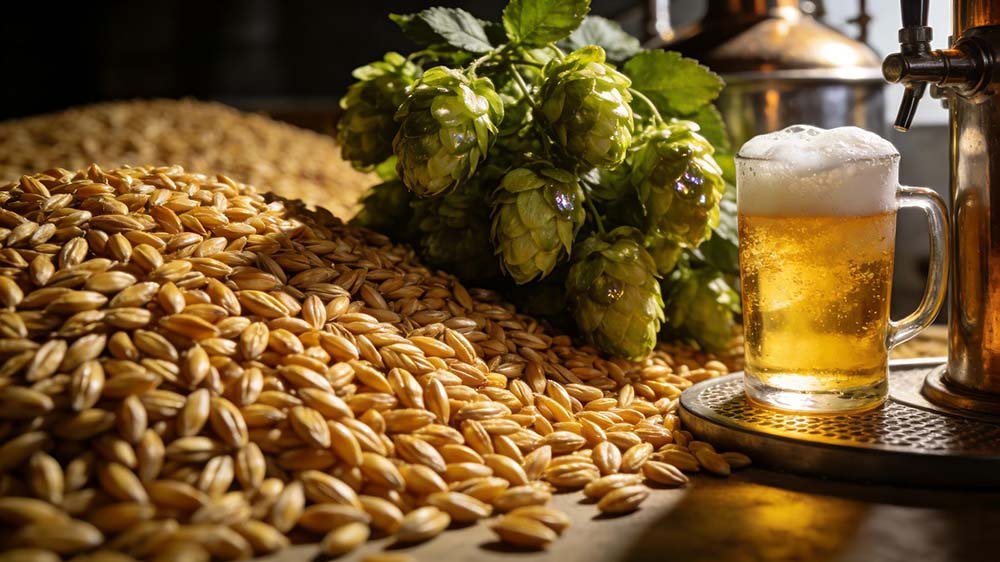
After selecting a satisfactory batch, a truckload of malt can be purchased for trial batches. Production data from the mashing process, as well as effects on fermentation and filtration, should be tracked, with timely adjustments to the mashing process. Large-scale procurement can proceed after the trial is completed. Upon arrival at the brewery, malt must strictly undergo inspection before use. Inspection methods and items should be continuously improved to rigorously control raw material quality. Professional sensory evaluators can smell the malt at the unloading site, and unloading personnel should also pay close attention to prevent moldy or damp malt from entering storage. Sensory evaluation of congress wort can effectively prevent issues such as strong husk flavor, mustiness, phenolic off-flavors, and other quality defects. If major quality defects are found, the malt should be returned, and the incident should be recorded.
Malt storage bins should be regularly emptied and cleaned of dust. If conditions permit, bins should be thoroughly cleaned annually. The entire system should be protected from rain to prevent malt from getting wet. Malt procurement quantities should be based on production needs, maintaining reasonable inventory levels. Malt should be stored in separate batches, strictly following the first-in, first-out principle to ensure freshness. Storage duration should be controlled at 1 to 2 months, not exceeding 3 months.
During malt usage, the amount of dust and impurities removed by the cleaning system, as well as the types of foreign materials, should be tracked and recorded for each malt variety. This helps monitor the purity of each malt batch and the effectiveness of the cleaning system. If significant deviations occur in the data, the cause can be quickly identified to control malt purity. Regular sampling from key points in the cleaning system to assess malt purity, with records maintained, helps verify the effectiveness of dust and impurity removal, ensuring that the malt sent to the mill is clean.
Based on the data records described above, a supplier quality evaluation system can be established to guide future malt supplier selection and procurement quantity control.
Our company is located in the birthplace of China’s brewing equipment industry, surrounded by a mature industrial ecosystem. From raw material handling to mashing and fermentation, we understand how to design equipment to support these precise process requirements. We offer first-class brewing technology, a dedicated and reliable team, and high cost-performance equipment. Every detail of malt quality control is something we help our customers address through thoughtful equipment design and process support—not just by selling equipment, but by ensuring that our customers experience fewer concerns and smoother brewing operations over the long term, delivering true peace of mind after the sale.
-300x83.png)