
Hi everyone, I’ve been in the food and beverage industry for seven or eight years – an old hand, you could say. Today I want to share my real experience running a craft beer restaurant over the past two years, especially the story of that small brewing system. If you’re thinking of getting into this business, I hope my story gives you some inspiration.
Two years ago, like many entrepreneurs, I saw the craft beer boom and decided to open my own brewpub. My biggest question was: what size system do I need? How many kinds of beer can I brew? To be honest, I was a complete newbie. I thought that if I bought one system, I could brew as many styles as I wanted.
The science of fermenters: quantity determines variety
My supplier gave me a great analogy: a brewhouse system can be used over and over, but each fermenter can only produce one beer style per fermentation cycle. For example, if you want to serve wheat beer, IPA, and stout, you need at least three fermenters working at the same time. If you want to offer a dozen different options, you’ll need even more fermenters – and you also have to consider storage space and turnover.
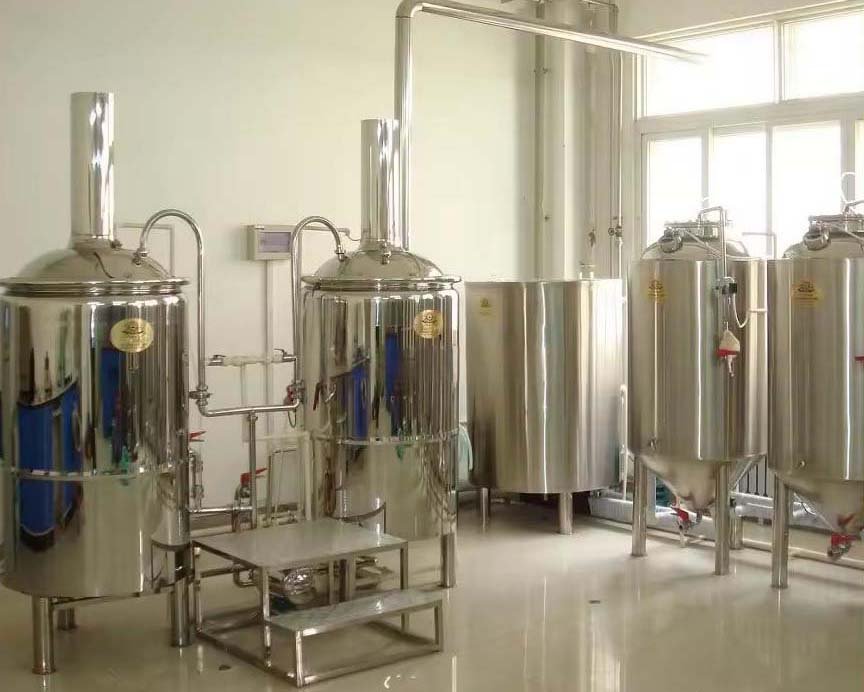
At the time, I opened a mid‑sized craft beer restaurant, with a bar and dining area that could seat 70–80 people. Based on my research of the local customer base, I decided to start with three core beers: a classic wheat beer (broad appeal), an American IPA (for craft beer lovers), and a passion fruit sour (popular with women and younger customers). My supplier, Zorime, configured six fermenters based on my needs – three dedicated to those core styles, and the other three for rotating new offerings or doubling output during peak seasons.
Their value for money is really high – for the same configuration, European brands would charge more than double. And their staff never tried to push me into buying unnecessary accessories – instead, they proactively helped me optimize the configuration and save money.
From greedy to grounded: my flavor strategy lesson
To be honest, at the beginning I was quite greedy. I wanted to switch to a new flavor every week. Then I realized that each change – from pitching to finished beer – takes at least 10 to 14 days. What’s more, different beers have completely different requirements for malt, hops, and yeast, which quickly made ingredient inventory a headache. Over time, I learned my lesson: first, use two or three core flavors to keep regular customers happy, then introduce one seasonal special every couple of months – like a pumpkin ale in fall or a watermelon wheat in summer. That way I maintain consistent quality while still offering something fresh.
I still remember the embarrassment of my first attempt to change a flavor. I tried to convert a fermenter that was making an American IPA into a hazy IPA, but I got the ingredient ratios wrong. The beer came out completely unbalanced in bitterness, and I had to dump the whole batch. Later, an engineer from Zorime gave me a thorough training – from ingredient ratios to fermentation temperature control – explaining everything clearly. That’s when I understood that even with the same equipment, you can create completely different styles by changing ingredient ratios, fermentation temperature, and time. For example, take a basic wheat beer – add a little more orange peel and coriander seeds, and it becomes a Belgian witbier. Adjust the hop timing and varieties, and it becomes an American wheat. A small fermenter can actually produce countless possibilities – it just needs to be done in batches, according to a plan.
Where I am now: stable, but still having fun
Now my restaurant has been running steadily for over a year. With six fermenters properly scheduled, I can keep the three core beers in stock at all times, while offering one “mystery beer” on tap every month. Customers often ask me, “Boss, how many different beers can you actually brew?” I smile and say, “If you want to drink them, I can brew dozens you’ve never heard of – but let’s take it one step at a time. First, get to know these few.”
To sum up, my sincere advice for those just starting a brewpub or small bar: don’t go for big and comprehensive. Start with one to three solid, locally popular styles, paired with four to six fermenters to ensure good turnover. Once your business is stable and you’re more skilled at brewing, then start playing around with new recipes. Equipment is fixed, but people are flexible. I’ve seen owners with only two fermenters become the top in their area for a single‑hop IPA, and I’ve also seen beginners with a dozen tanks close down because their flavors were all over the place.
A big thank you to my great partner
I couldn’t have gone from clueless beginner to where I am today without Zorime. They didn’t just give me a high‑quality, cost‑effective system – they gave me a sense of security and confidence. Their technology is backed by the Shandong Academy of Sciences, and their team of reliable employees has me covered. Every time I have a problem, one phone call and they’re patiently answering questions and guiding me remotely. That kind of “worry‑free after‑sales support” is something money can’t buy.
There’s no one right answer in entrepreneurship, but it’s always good to avoid detours. I hope my story gives those of you who are on the fence a little more confidence. Cheers!
-300x83.png)