
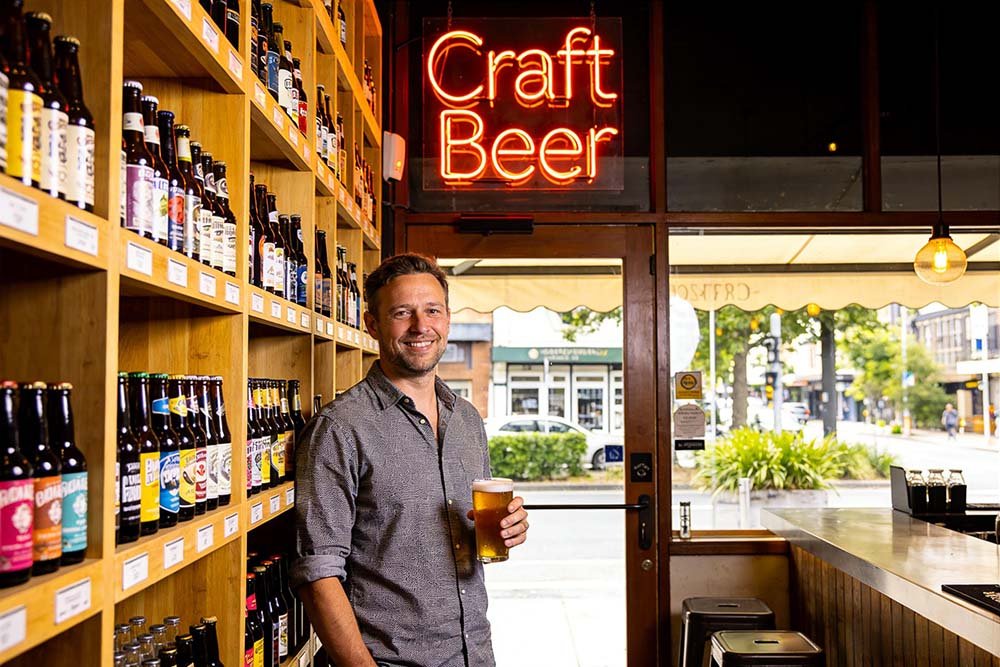
Hi everyone, I’m David. I run a craft beer pub in Melbourne’s southeast.
When I first opened three years ago, my mind was full of questions about equipment choices, interior design, how many taps to install. Looking back now, those things mattered, of course. But what really kept my doors open and customers coming back was something else entirely.
Today, I want to share—as someone who’s been through it—a few lessons you won’t find in any textbook. Lessons that can make the difference between a brewpub that survives and one that actually thrives.
Step One: Before You Renovate, Go Out and Walk Around
I spent over six months preparing before opening. The first three months? I didn’t do anything except drink.
Not just drinking, though—I was watching. I visited different pubs, noted their style, their pricing, their clientele. I carried a notebook and wrote down everything: what beers they served, who their customers were, what the vibe felt like.
Eventually I settled on a spot in southeast Melbourne, in a residential area. Most of the neighbors were families and people in their thirties to fifties—not the young crowd looking for loud parties. So instead of a trendy, high‑energy taproom, I went for something different: a “community living room.” Comfortable atmosphere, good beer, a place where parents felt fine bringing their kids.
That positioning turned out to be one of the most important decisions I made.
Step Two: Quality Is Non‑Negotiable, but Quality Doesn’t Come from Luck
A lot of people think a craft beer pub succeeds just because the beer tastes good. Flavor matters, of course. But what matters even more is consistency.
My equipment comes from Zorime, a company based in Jinan—the birthplace of China’s craft brewing equipment industry. Backed by the Shandong Academy of Sciences, their brewing technology is among the best in the country. But what really gave me confidence wasn’t just the technology. It was three lessons they taught me:
- Your Brewer Is the Soul of Your Pub – Don’t Keep Swapping Them Out
In my first year, I hired an experienced brewer who made fantastic beer. Later, another pub tried to poach him with a higher salary. To be honest, I hesitated—should I let him go and find someone cheaper?
Then an engineer from Zorime said something I’ll never forget: “David, your brewer is the soul of your pub. Change them, and your beer changes. Your customers will notice.”
I kept him. He’s still with me today. My IPA, my wheat beer, my stout—they taste the same as they always have. My regulars say, “Your beer tastes exactly how we remember it.”
That consistency is worth more than any marketing.
- Ingredients – Don’t Pinch Pennies Here
When I first started, I thought about saving a little on ingredients. Slightly cheaper malt, a bit less hops—maybe no one would notice?
But Zorime did the math for me: good malt, good hops, good yeast—even if it costs an extra $1,000 per ton of grain, that only adds about $0.20 per liter. Twenty cents, for a beer that people will truly remember.
I got the point. Now I use the best ingredients I can find. My customers taste the difference, and they’re happy to pay for it.
- Beer Aging – You Can’t Rush Good Beer
In the beginning, I was impatient. I wanted beer in the tank today, sold tomorrow. But my first batches were green, rough, unbalanced. My customers weren’t impressed.
Zorime’s engineer explained the concept of beer aging—the time from wort going into the fermenter to the moment it’s ready to serve. That time directly affects the beer’s flavor. Rush it, and you get thin body and harsh notes.
Now I never rush. I let every batch take the time it needs. Every pint my customers drink is worth the wait.
Step Three: Equipment Matters, but the People Behind It Matter More
I’ve been using my system for nearly three years now. No major issues. Small questions come up once in a while—I send a message, and Zorime’s team responds right away, walking me through solutions remotely.
They’re based in Jinan, the heart of China’s brewing equipment industry, surrounded by mature supply chains. That means when I need parts or support, they deliver quickly. With the backing of the Shandong Academy of Sciences, their technical expertise is solid. But what truly gives me peace of mind is their people—down‑to‑earth, honest, never pushing me to buy things I don’t need.
Value for money isn’t about cutting corners. It’s about using proven expertise and a reliable supply chain to give you lasting quality at a fair price.
Final Thoughts for Fellow Brewers
If you’re thinking about opening a craft beer pub, here’s my advice:
First, walk your neighborhood. Know who your customers are before you pick your style.
Second, put quality and consistency first. Your brewer, your ingredients, your patience—none of these can be compromised.
Third, when you choose equipment, you’re really choosing a partner. Find someone who truly understands brewing, who’s willing to teach you, and who’ll be there when you need them.
I chose the right partner. Now I can focus on what I love: brewing good beer and taking care of my customers.
If you ever want to talk about what it takes to run a brewpub, reach out to my Chinese friends. I know they’ll listen to your needs just as carefully as they listened to mine.
-300x83.png)